Search and find products in our Catalogue
Enter the product name, part number or cross-reference below...
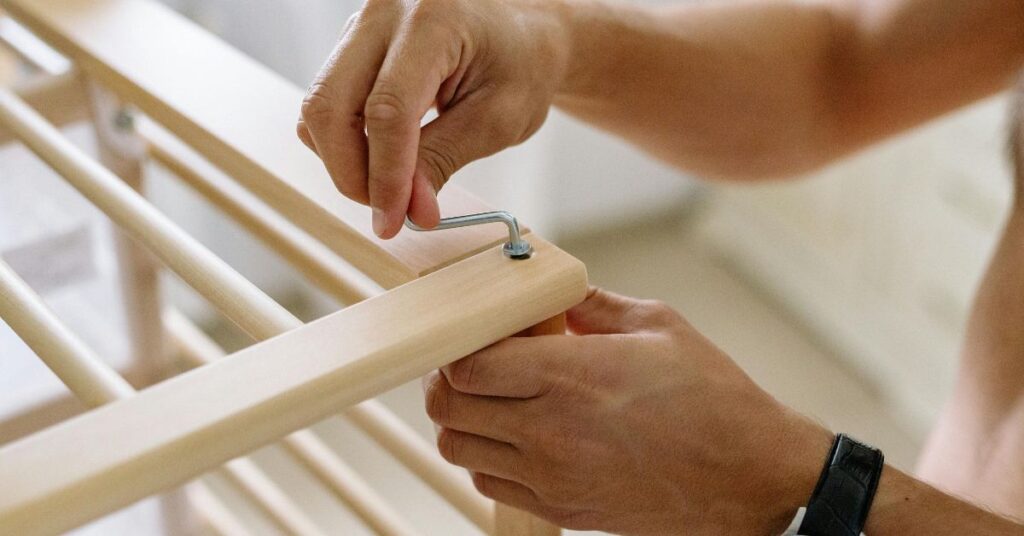
Fasteners in Consumer Products and Furniture

In consumer products and furniture manufacturing, fasteners are a small component that aren’t usually visibly. They play an important role in performance and production efficiency. For manufacturers operating at scale, fastener selection affects assembly speed, structural strength, corrosion resistance, and controls the costs. This article specifically focuses on the manufacturing side of consumer products and furniture.
The Importance of Fastener Selection
In mass production environments, fasteners influence more than joint strength. They affect automation compatibility, manufacturing times, material performance, and shipping efficiency. If engineers choose the correct fasteners earlier on in the process this can save thousands in operation costs. It can prevent material damage, long term durability of a product, and prevents re-design of the product around the fasteners. A small change in a fastener can reduce assembly issues which really adds up when manufacturing thousands of units. Fasteners are part of the production strategy.
Common Fasteners in Consumer Product Manufacturing
Consumer products often combine various materials including metal, plastic, and composite. Each material requires a specific fastening approach.
Machine Screws
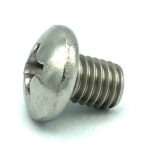 Machine screws are threaded fasteners designed to be used with tapped holes or threaded inserts. They’re commonly manufactured from carbon steel or stainless steel. They’re widely used in appliance housings, electronics enclosures, control panels, and fitness equipment frames. They provide consistent torque performance so they’re well suited in automated assembly lines. They come in a variety of head styles and drives. This is a very readily available screw and is quite cost effective.
Self Tapping Screws (aka Sheet Metal Screws or SMS)
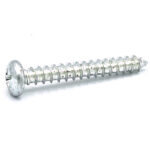 Self tapping screws form their own threads during installation. This eliminates the need for pre tapping in thin metal or plastic components which saves time in manufacturing. These are frequently used in sheet metal assemblies, injection molded housings, HVAC components, and general consumer goods. In high volume production, removing a secondary tapping step reduces labour time and equipment costs.
Thread Forming Screws for Plastics
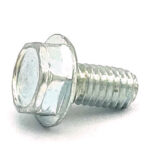 Thread forming screws designed for plastics are engineered to reduce stress within thermoplastic materials. They displace material rather than cutting it, which improves retention and reduces cracking.
These fasteners are commonly used in small appliances, power tool housings, and consumer electronics. They’re particularly valuable in products that may require servicing since they maintain their form after repeated assembly.
Rivets
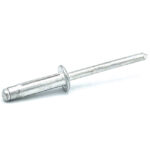 Blind rivets (aka pop rivets) are permanent fasteners installed from one side of the workpiece. They are ideal for sheet metal enclosures and lightweight frames. Rivets are frequently used in appliance panels and metal brackets. They perform well in applications exposed to vibration and are compatible with fast paced production lines. Their speed and consistency make them attractive for high output facilities. These are available with many different grip ranges and are usually made from steel, aluminum, or stainless steel.
Threaded Inserts
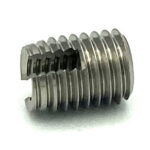 Threaded inserts provide durable internal threads in softer materials such as plastic or wood. Manufacturers use threaded inserts when products require repeated disassembly or higher load capacity. They’re common in modular consumer products and assemblies that need long term serviceability. There’s also locking styles of inserts such as E-Z Lok or key-locking inserts.
Fasteners in Furniture Manufacturing
Furniture manufacturing presents a different set of challenges. Engineered wood products such as particleboard and MDF require fasteners designed specifically for their density and structure. With the rise of more particleboard furniture, these types of fasteners have become more popular. Strength, alignment, and shipping efficiency all influence fastener choice.
Wood Screws
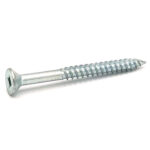 Wood screws have threads designed to grip solid wood and plywood. In furniture manufacturing, wood screws are used in chair frames, structural supports, and reinforcement points. They remain a core fastening solution in both residential and commercial furniture production.
Cam Lock Systems
Cam and dowel systems are two part fastener system that draws panels tightly together. The cam mechanism locks onto a dowel pin and pulls adjoining panels into position. This system is common in flat pack furniture and modular storage systems. Global manufacturers such as IKEA standardized this approach because it allows strong joints while keeping products easy to ship and assemble. For manufacturers, cam systems reduce shipping volume and simplify packaging without sacrificing structural performance. There are hundreds of variation of cam locks each for different uses to fit specific measurements.
Bolts and Barrel Nuts
A barrel nut can be paired with a machine bolt to create strong right angle joints. This system distributes load across a larger surface area. Manufacturers use bolts and barrel nuts in bed frames, large tables, and other heavy duty furniture. The connection can be tightened during installation and retightened over the product’s lifetime if needed.
Material and Coating Considerations
When designing a product, the material selection is extremely important to consider for corrosion resistance and long term performance. Carbon steel remains the most cost effective option for indoor consumer goods and furniture. Stainless steel is preferred for anything where water is such as kitchens, bathrooms, and outdoor furniture. Stainless steel is naturally more corrosion resistant so used in environments where moisture exposure is a concern.
For coatings, zinc can improve corrosion resistance for general applications. Black oxide finishes provide mild protection with a darker appearance. For outdoor or high humidity environments, additional protective coatings may be required to meet warranty expectations.
For Canadian manufacturers of exterior products, climate conditions can swing a lot. Be sure to account for these conditions in your fastener selection with the base material and coating.
Production and Supply Chain Considerations
Manufacturers that product a high volume often have standard hardware that they require but also require readily available products on the assembly line. Some facilities may use automated feeders and drivers for their fasteners. These tight tolerances ensure predictable torque performance and reduce stops along the assembly line.
Packaging also plays an important role. Many furniture manufacturers require pre sorted hardware kits, labelled and barcoded. At Knapp we offer custom kitting solutions. This often includes custom labelling and heat sealed bags for our customers. By getting Knapp to do the kitting, it eliminates an extra step for the manufacturer.
Reliable inventory management is equally important. Production delays caused by fastener shortages can halt entire assembly lines. Working with a supplier that understands forecasting, certification requirements, and large volume logistics helps reduce risk. If you’re in need of a Vendor Managed Inventory system, Knapp can offer that as well. This ensures you have the fasteners you need, when you need them.
If you need help sourcing your fasteners, kitting, or getting VMI services set-up, reach out to us today via email to get more information.