Search and find products in our Catalogue
Enter the product name, part number or cross-reference below...
Fasteners in Cooling Tech

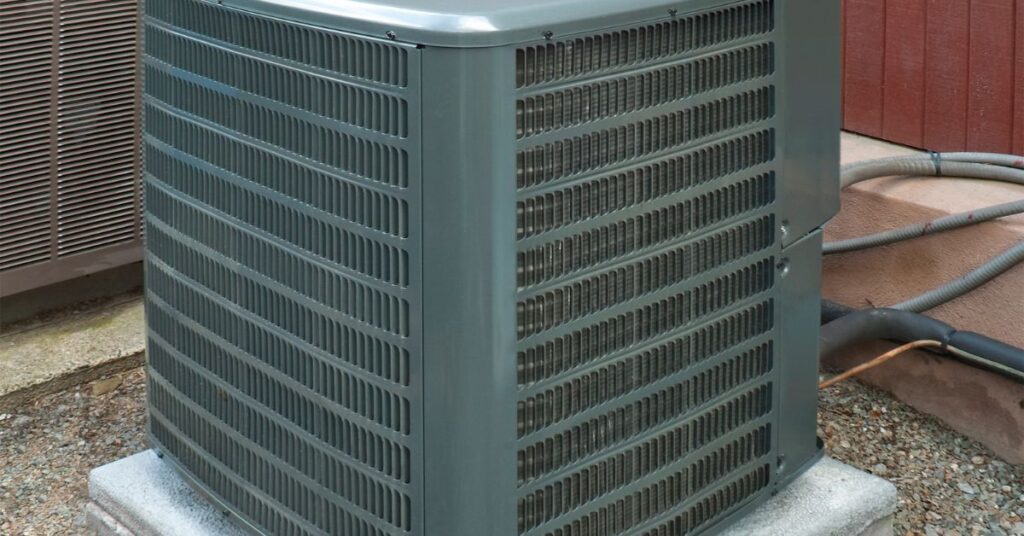
As the warm weather is here, we are looking at the world of fasteners in cooling technology. Industrial HVAC and climate control systems, like AC units, operate under harsh environments. Continuous structural vibrations, drastic thermal cycling, and constant exposure to moisture create a challenging environment for fasteners. For manufacturers building these commercial units, selecting the correct fastener is just as important as choosing the compressor or the heat exchanger. A structural failure due to vibration or corrosion can lead to system leaks, costly downtime, and warranty claims. This article takes a look at the fasteners and materials used to keep cooling technology running smoothly.
Dealing with Vibration
The heart of any industrial cooling system includes compressors, fans, and blowers. These components all cause vibration and without using proper fasteners, the nuts and bolts will loosen overtime causing failure. To maintain avoid this, manufacturers rely on specialized vibration damping and self-locking fasteners including:
-
Nylon Insert Lock Nuts: The nylon insert inside the nut resists turning, maintaining a tight grip on the bolt thread even under stress.
-
Serrated Flange Nuts: The integrated washer features serrations that bite into the material. This prevents the nut from rotating.
-
All-Metal Top Lock Nuts: These lock nuts feature distorted threads to prevent loosening. It’s used in high-temperature zones where nylon may degrade.
Defeating Corrosion
Cooling tech naturally creates condensation, making corrosion resistance a top priority during assembly design. When specifying fasteners, manufacturers must account for both atmospheric rust and the risks of galvanic corrosion. This occurs when dissimilar metals, like steel fasteners and aluminum fins, come into contact in the presence of moisture.
High-Performance Coatings
While standard zinc plating offers baseline protection, industrial HVAC units often require advanced surface treatments including zinc flake coatings. This coating provides great salt-spray resistance with a thin layer that doesn’t interfere with thread tolerances. Ceramic coatings are also used for an additional barrier against moisture and harsh chemicals.
Material Selection
For maximum durability, choosing the right base material is essential:
-
304 and 316 Stainless Steel: This is the industry standard for high moisture zones, offering excellent resistance to rust and chemical exposure.
-
Aluminum: Frequently used for lightweight assemblies or to match aluminum housing components, minimizing galvanic reactions.
Thermal Cycling
Climate control systems experience quick temperature fluctuations. This causes components to expand and contract at different rates. If a fastener cannot accommodate this thermal movement, the joint will either deform or lose its clamping force. Utilizing specialized washers, such as conical spring washers (disc spring/belleville washers), helps to maintain constant tension on the joint throughout these thermal cycles. This configuration effectively compensates for dimensional changes without compromising the assembly.
Optimizing Your Supply Chain
Designing for industrial cooling applications requires having a supplier that knows your needs. We can help you source the right fasteners you need at the manufacturing stage to ensure your commercial systems deliver the reliability your clients expect. Contact our sales team today to get pricing and availability!